Creating better workspaces through human-centric design.
At Senator, we believe incredible things happen when people have the opportunity to work better, move better, collaborate better, focus better, and ultimately be better. This philosophy drives everything we do, from product development to workplace innovation. Through continual experimentation, attention to detail, and a commitment to challenging convention, we create furniture solutions that support the evolving needs of modern workplaces.
Designing for better ergonomics starts with understanding the relationship between people and the furniture they use every day. Workplace furniture is far more than a functional necessity – it directly influences comfort, wellbeing, productivity, and overall workplace experience. Because we spend so much of our day interacting with furniture, its design has a significant impact on how we feel, think, and perform.
Many of the principles explored in ergonomic workplace design here at Senator have been supported by research from Adrian Campbell, Workplace Design Consultant, whose work examines the relationship between people, furniture, and the environments in which they work. His findings highlight how thoughtfully designed furniture can positively influence comfort, concentration, creativity, and overall wellbeing.
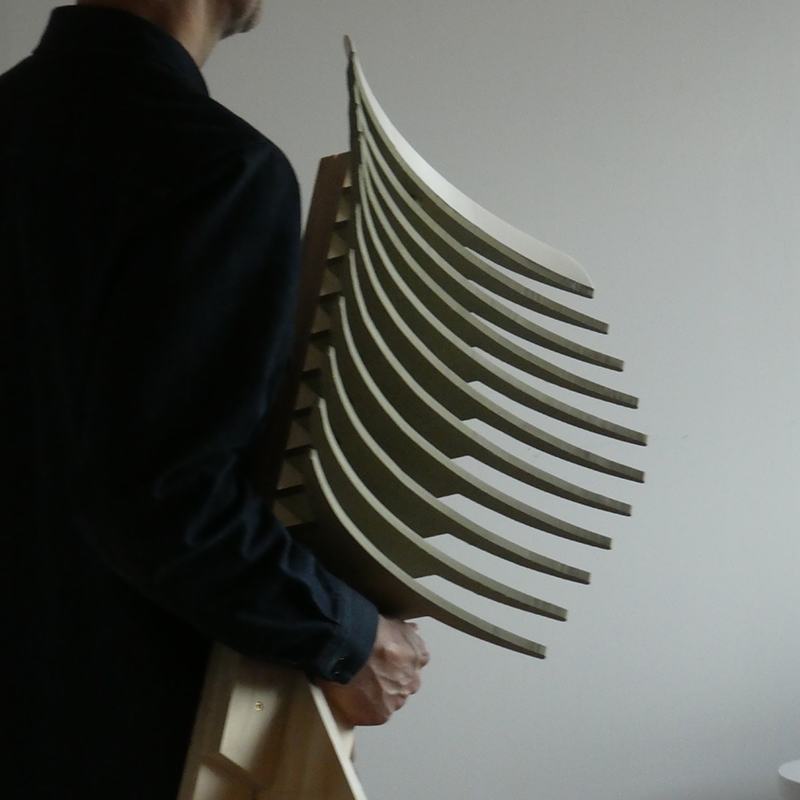
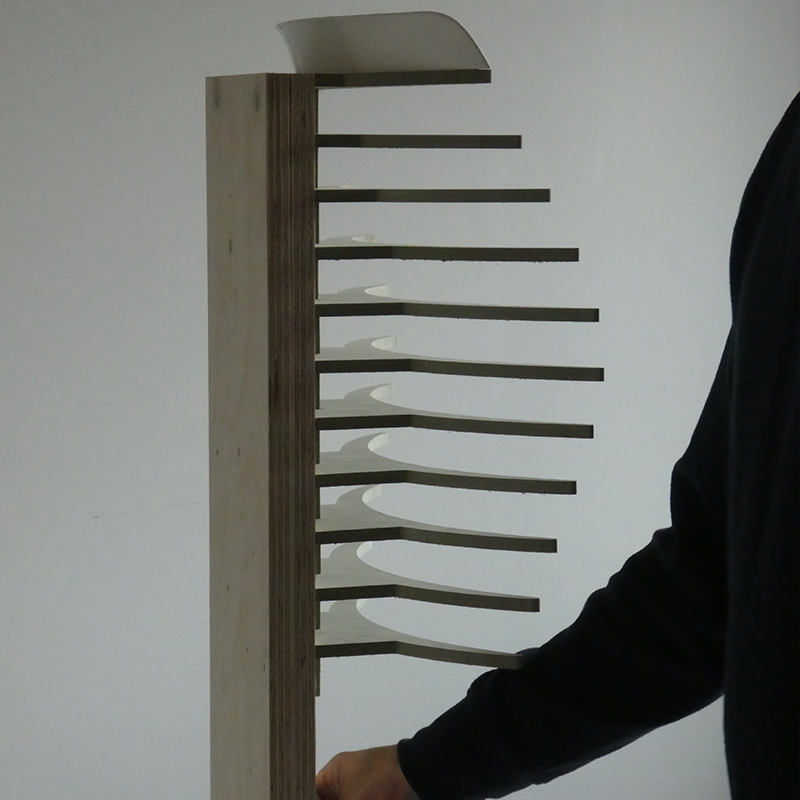
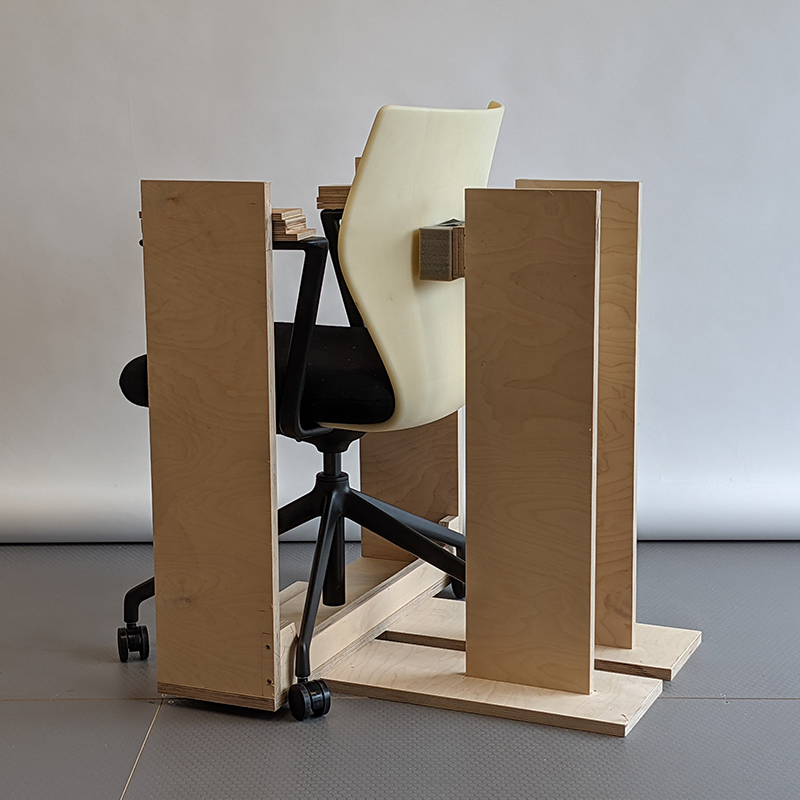
The Importance of Posture and Physical Support
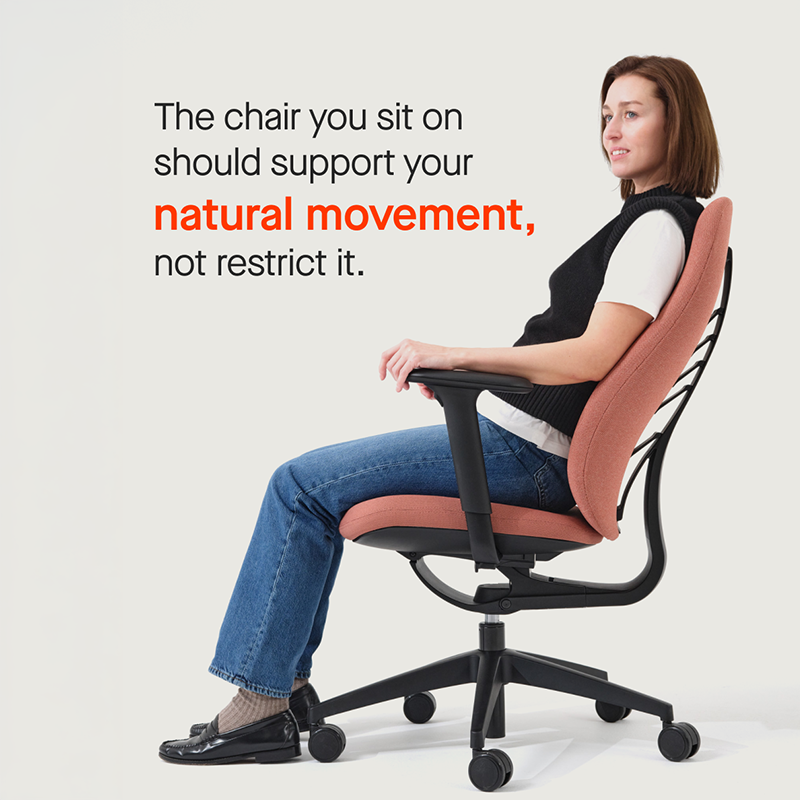
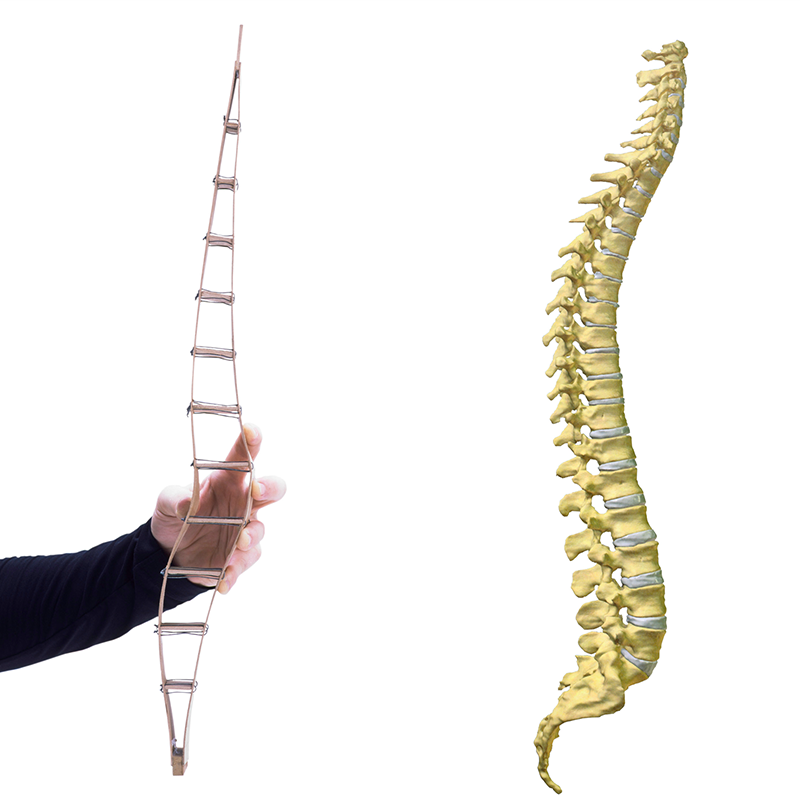
Effective ergonomic design supports the body in maintaining healthy and natural postures throughout the working day. For focused, task-based work, an upright sitting position remains one of the most beneficial postures. When seated correctly in a task chair, the spine aligns naturally, allowing each vertebra to stack efficiently and reducing unnecessary strain on muscles and joints.
In this supported position, body weight is distributed evenly through the lower body, enabling the chair to provide stability and comfort. As the body relaxes, less energy is spent maintaining balance and posture, allowing the mind to concentrate more effectively. This physical support creates the ideal environment for sustained focus, productivity, and precision.
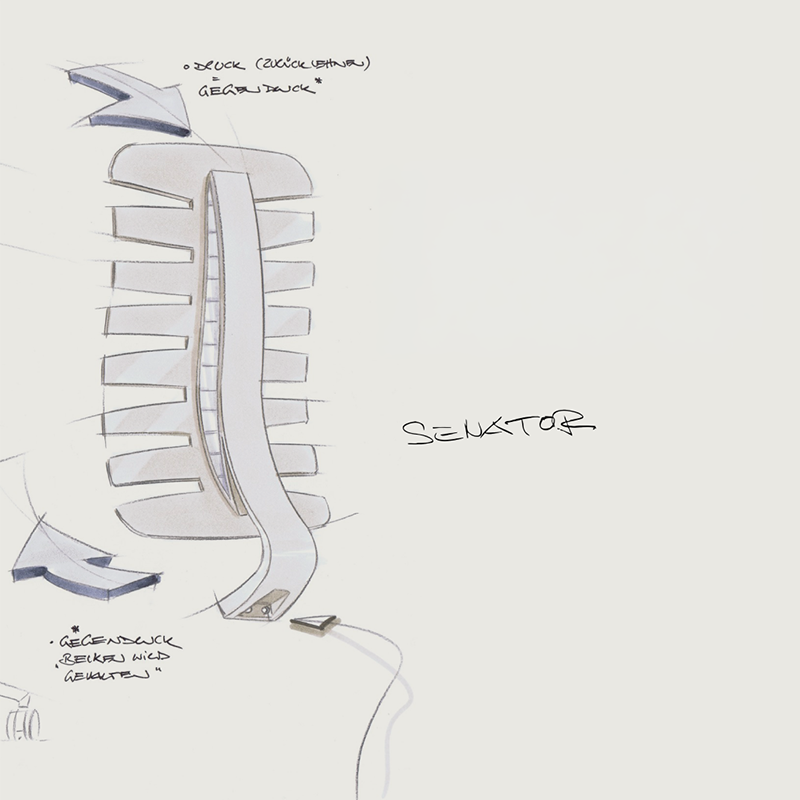
Designing for Wellbeing, Creativity and Performance
Ergonomics extends beyond posture alone. Furniture engages our senses, influences our mood, and shapes how we interact with our environment. The relationship between furniture, space, and workplace layout plays a vital role in supporting different activities, behaviours, and ways of thinking. Well-designed environments can minimise distractions, encourage engagement, and help individuals perform at their best.
Different postures can also support different types of work. Reclined seating, for example, redistributes body weight across the back as well as the spine and legs, reducing pressure on specific areas of the body. This position changes both physical perspective and mental outlook, encouraging reflection and helping individuals approach challenges from a fresh angle. As a result, reclined settings can be particularly valuable for creative thinking, problem-solving, and idea generation.
Innovation Through Ergonomic Thinking
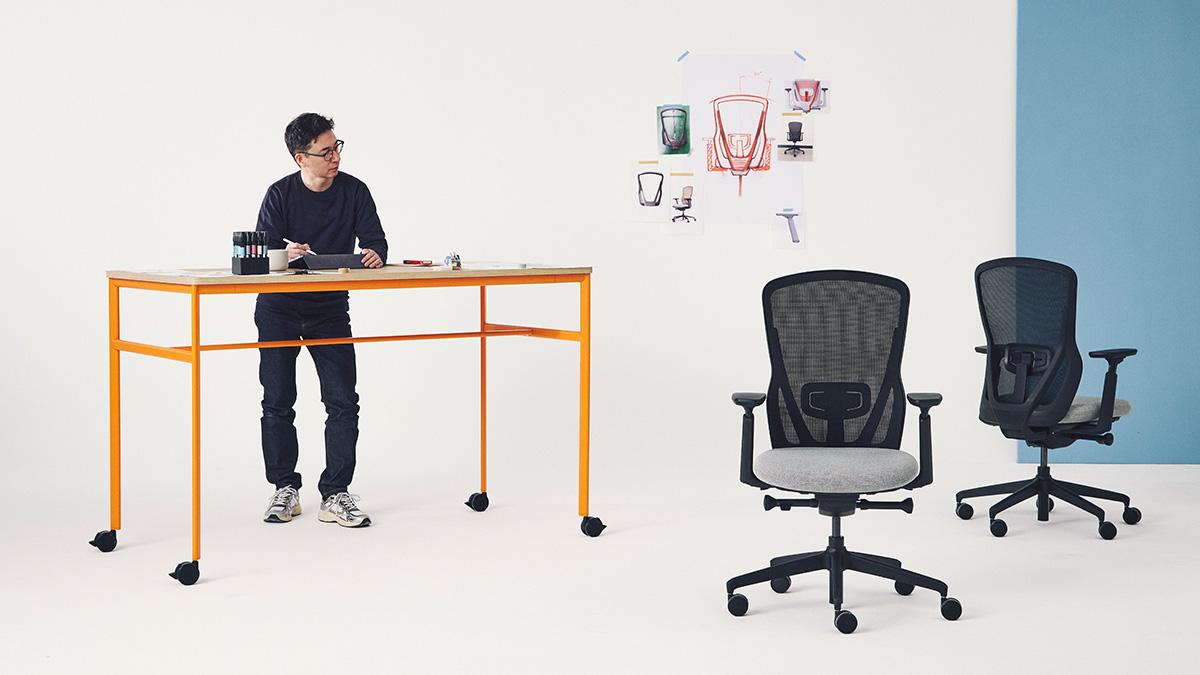
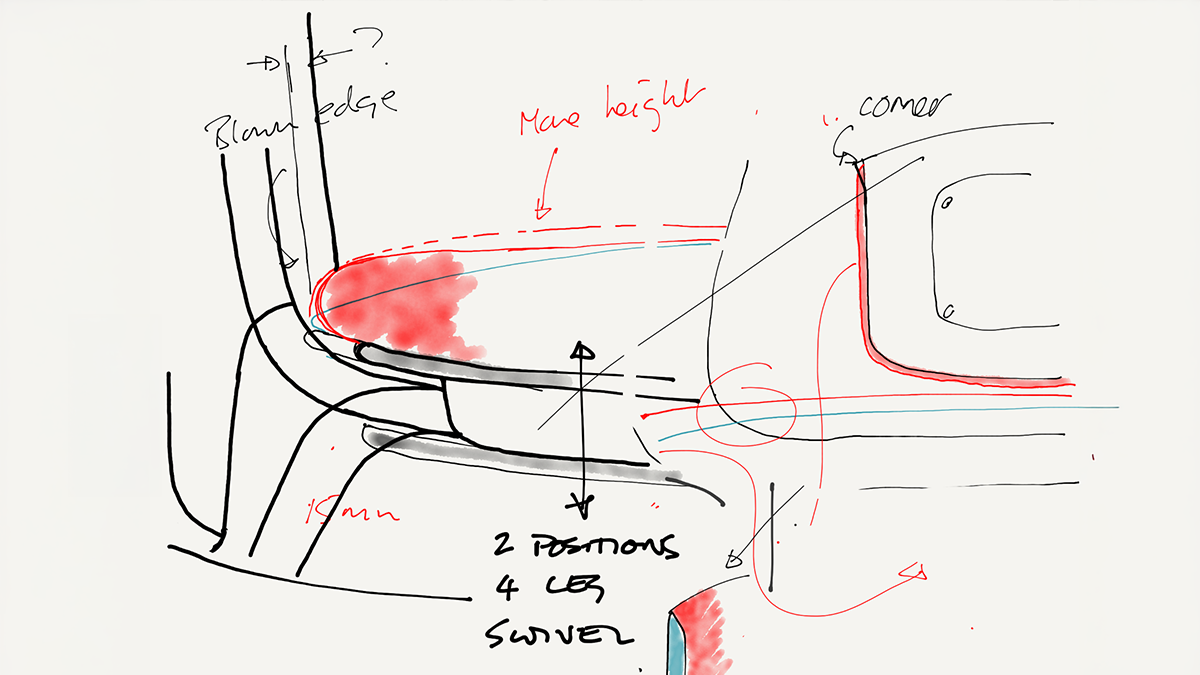
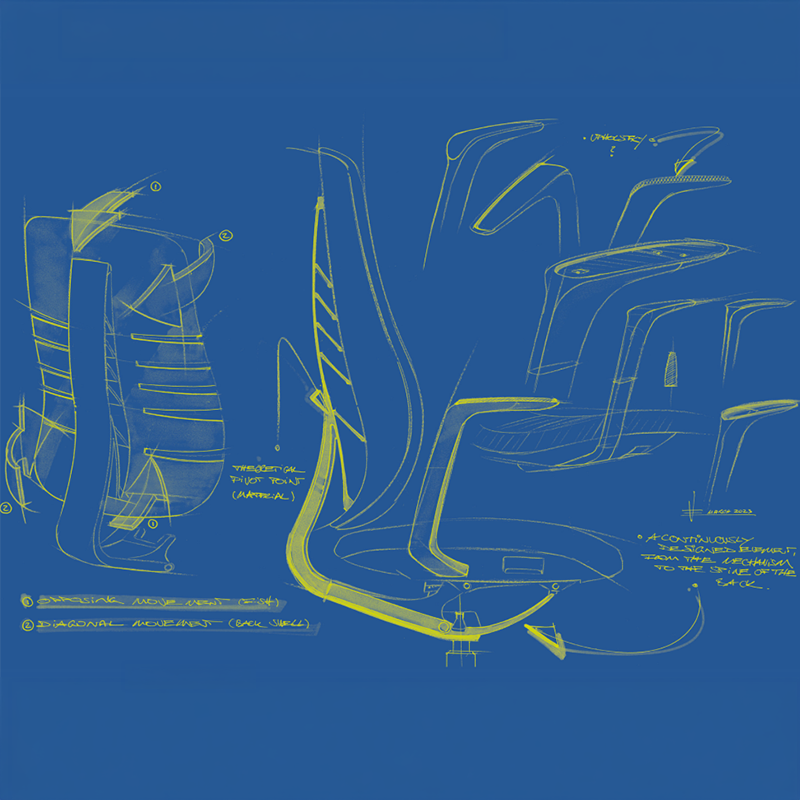
Innovation and ergonomics are closely connected. At Senator, our world-class team of designers, engineers, and technicians continually explore new ways to create furniture that adapts to people rather than forcing people to adapt to their surroundings. By considering physical, psychological, social, and cultural needs, we design workplace solutions that support a diverse range of users and working styles.
Our commitment to innovation goes beyond generating ideas – it is about transforming those ideas into tangible solutions that enhance everyday experiences. By creating environments that support comfort, focus, collaboration, and creativity, ergonomic design becomes a powerful tool for improving wellbeing and unlocking better performance across the workplace.
As Adrian Campbell’s research demonstrates, ergonomics is about far more than comfort alone. The way furniture supports posture, movement, focus, and creativity has a direct impact on how people experience their working environment. At Senator, these insights continue to inform our approach to innovation, helping us create furniture solutions that empower people to perform at their very best.